
Interview with
CAROL HAYNES
WINTER ISSUE #15 ARTIST
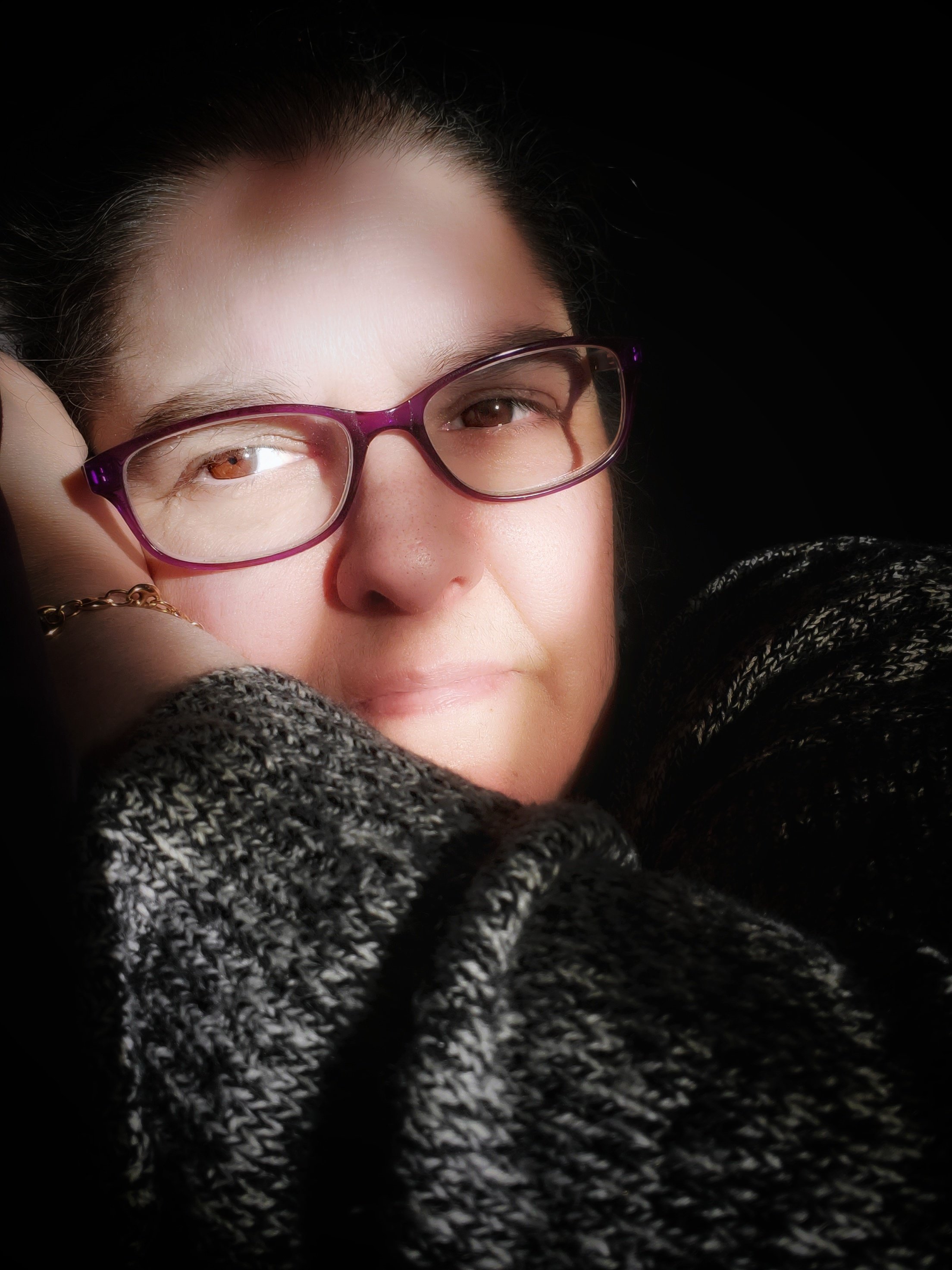
Carol Haynes is a self-taught mobile photographer based in Canada’s National Capital Region. Since 2013, she has used her Samsung Galaxy to explore quiet textures and subtle transformations in nature—from frost and snowflakes to water, light, and seasonal detail. Her work is a form of visual journaling, shaped by curiosity and a love of small moments. Haynes embraces her amateur status as a quiet strength, curating each image with care and emotional intent. Her photography has been recognized by Samsung and featured on their official @withgalaxy account.
Find Carol Haynes’
work on Instagram at
@camhaynes22
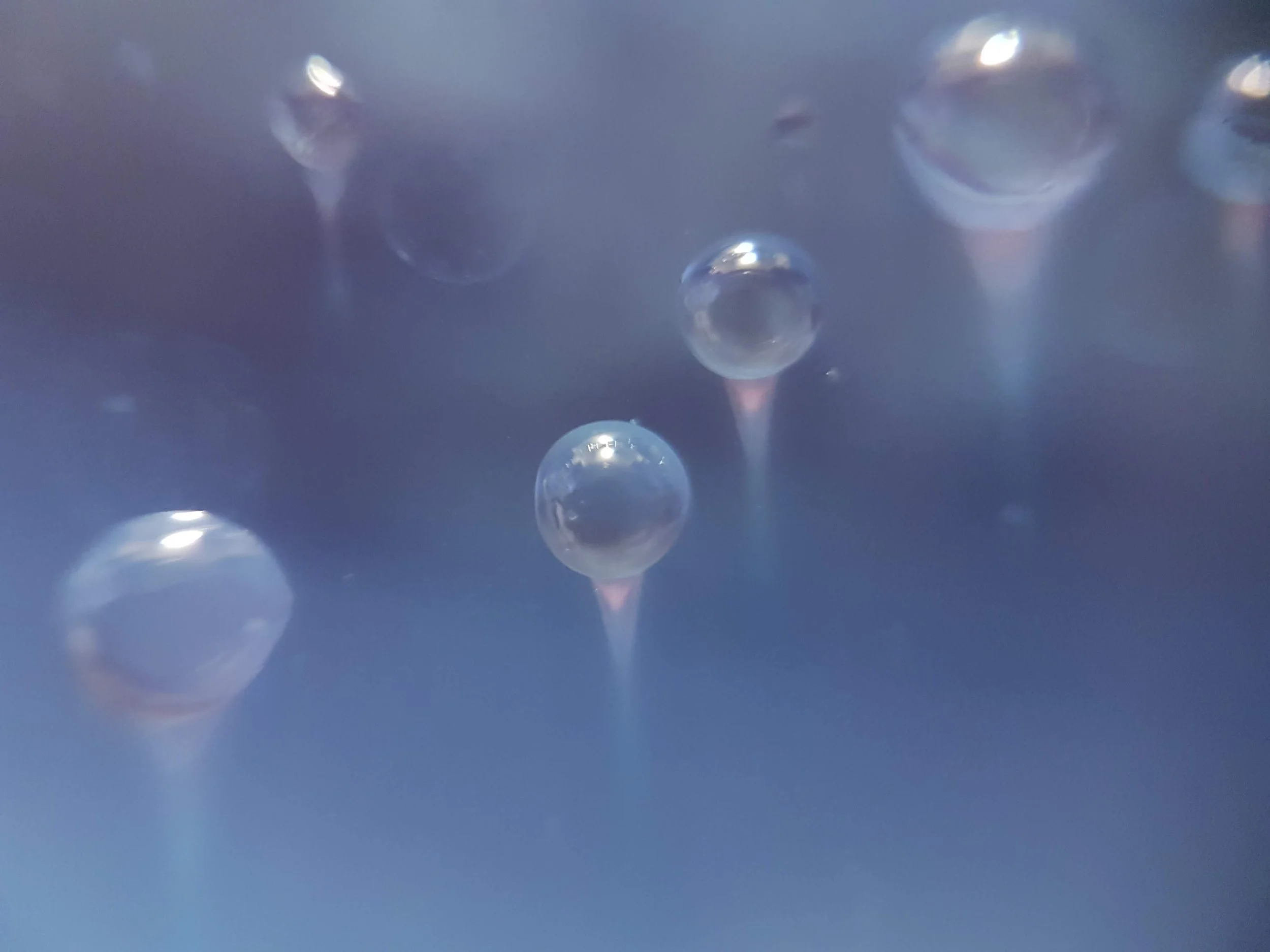
Frozen Transit
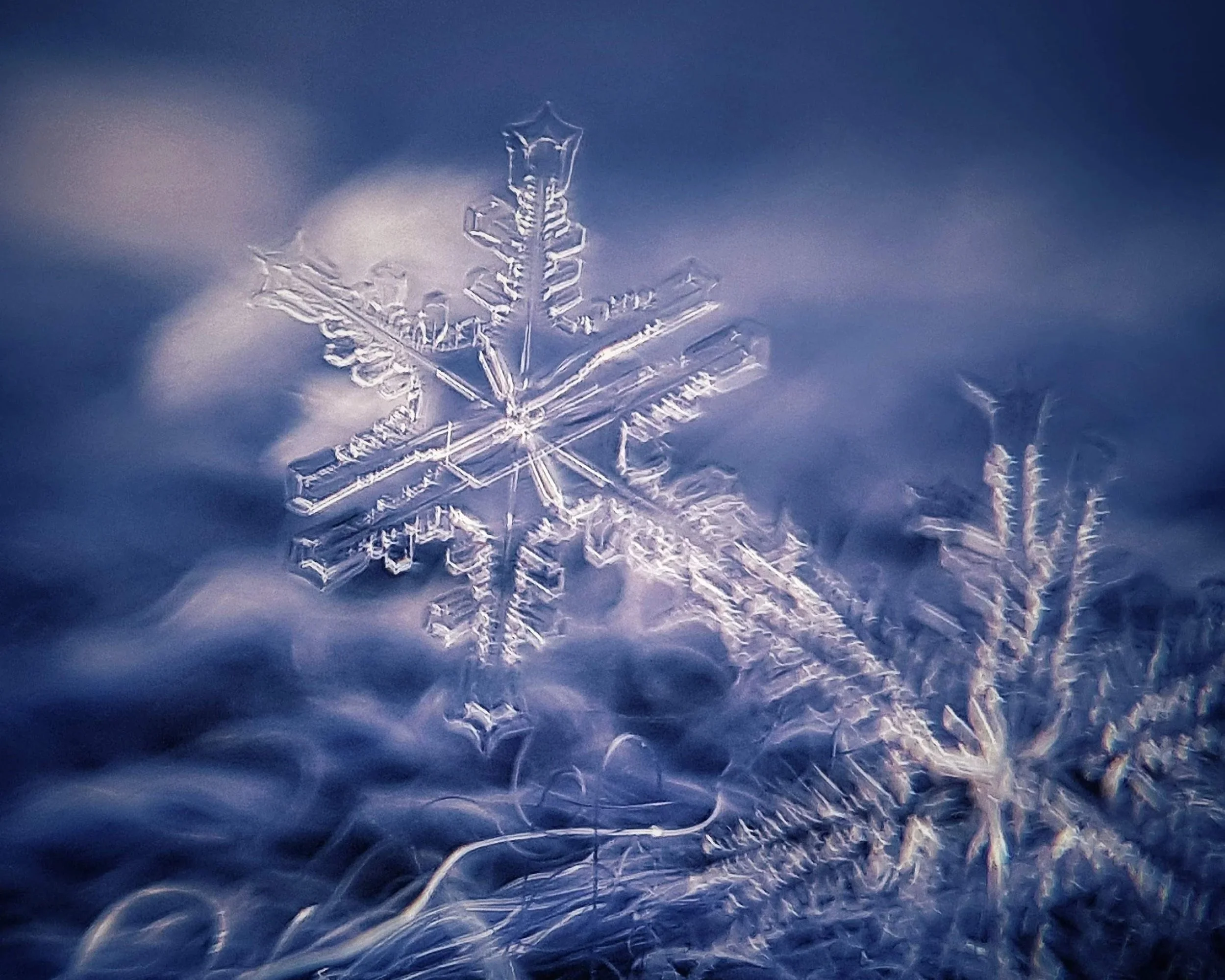
Snowflake Echo
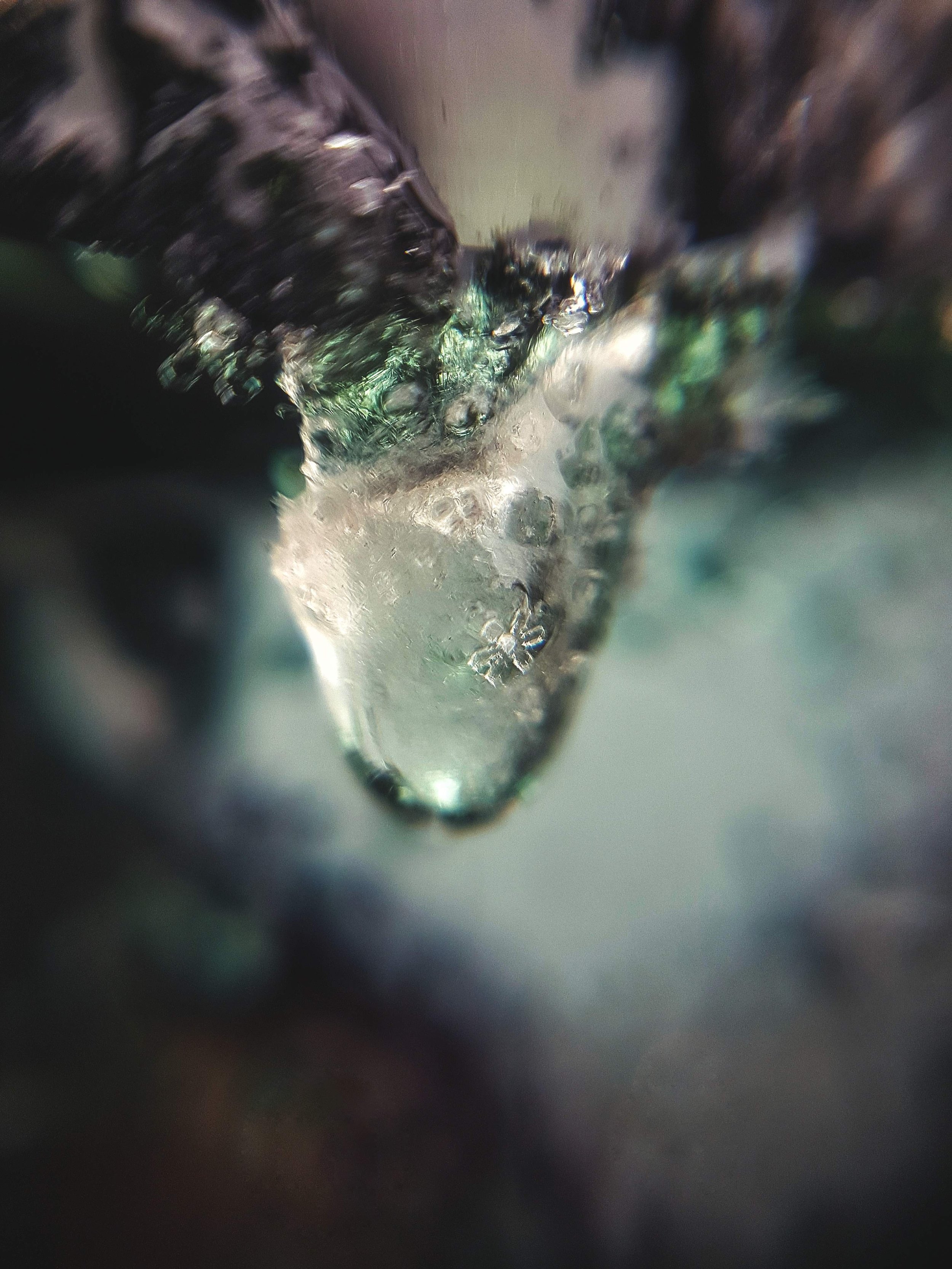
Between States of Being
What initially drew you to the world of art, and how did you begin your journey as an artist?
My artistic journey began unexpectedly, in 2013, with my first smartphone during periods of idleness. The idea of the camera’s accessibility was intriguing, and it lent itself to experimentation. Eventually I became frustrated by background clutter, which forced me to evolve my technique: getting closer, zooming in, and ultimately eliminating the unnecessary. As I spent time outside, I noticed smaller, overlooked elements like refractions in water droplets and the structures of snowflakes. My mobile camera opened the potential to capture these miniature worlds. It still amazes me. I am self-taught, and that initial process of mindful searching—transforming idleness into observation—now defines my work and has led me to submitting my work to fine art publications such as Humana Obscura.
How do you typically find inspiration for your artwork, and are there any recurring themes or motifs in your pieces?
Inspiration comes easily when photographing nature—snowflakes, water, or frost—but I am just as drawn to the elements of shape, shadow, and light play in any subject. I also find compelling textures in places people overlook, like rust, wilted flowers, or other discarded elements. I never know where my lens will point next. My favourite subjects are pendant drops and snowflakes because they can be challenging to capture. I enjoy the spontaneity and the patience required. They appear and disappear quickly, which makes focusing and composition tricky, but there is always another one waiting to take its place. I’ve spent hours in the freezing Canadian rain and snow just to capture my next best photo. That quiet focus on the process is where I find joy.
Could you walk us through your creative process, from the inception of an idea to the completion of a piece?
The process is largely spontaneous; it begins with being still, waiting for an opportunity. It is purely observational, then focusing my breath and moving the lens until the cluttered background is removed and only my subject remains. After I’ve taken a batch of photos, patience is key. I like to wait before reviewing them, dropping potential candidates into a folder marked “TBD.” This waiting period is crucial because it allows me to later choose any photo from my archives on a whim. My editing is still rudimentary, though I’ve noticed a recent shift toward deeper, darker tones. The completion phase, especially for submissions, is where I tackle new challenges like grouping a series and learning technical steps, such as adjusting DPI. My system is organized chaos, but that sense of being a perpetual work in progress is part of the fun.
What role do you believe art plays in the world, and how do you see your work contributing to nature/environment conversations?
I’m not sure I know the full answer. Society talks about mindfulness lately; and art is all about that. Art reminds us to use all our senses, teaching us and influencing our ideas, whether we’re masters or just playing around. I hope my mobile photography helps someone notice something they’ve never seen before. Some people have never experienced real snow or felt the bitter cold of winter at minus 30 degrees Celsius. That sounds a little scary to some when you spell it out, but maybe my photos make winter look like something they’d want to experience for themselves. I’m drawn to textures, light, and fleeting moments—and if that sparks curiosity or a deeper connection to the natural world, then I’ve contributed something meaningful.
What challenges do you face as an artist, and how do you overcome them?
I’m sure I am not the only one, but the biggest challenge is me. I forget to recognize the value of my work. I’m learning to be my own champion—to pause and congratulate myself. Recently, my mom gave someone a card and I said, “Wow, that’s beautiful. I wish I could make photos like that.” My whole family laughed because they recognized it as one of mine. I didn’t even remember taking the photo or making the card. That moment reminded me how easy it is to overlook my own progress. I’m trying to stay present, celebrate the small wins, and trust that the work matters. Being published in Humana Obscura is allowing me to celebrate on a larger scale.
What do you hope viewers experience or feel when they encounter your artwork?
I hope viewers see what mobile photography can offer beyond selfies and feel inspired to also be creative. That said, the greatest hope I have is that my work encourages the viewer to pause. I want my photos—which I hope the viewer finds thoughtful and intentional—to carry artistic value. Curiosity plays a big role—both mine and theirs. I hope they stop and wonder: What am I looking at? What’s the texture, the light, the mood? Especially with the more abstract images, like ice and melting droplets, I want people to imagine the context and the atmosphere. I think my work speaks to that kind of mindfulness—the quiet thrill of noticing something small, fleeting, and beautiful.
Can you share any advice for emerging artists who are just beginning their artistic journey?
I still consider myself a beginner and an amateur, but my best advice is to learn the basics and stay curious. Keep at it even if you make mistakes and find likeminded people to share the journey with—a social media group or local club can help build that community. Don’t let the lack of expensive gear stop you. If you enjoy mobile photography, your phone is a powerful tool always within reach. You might eventually transition from mobile to camera‑based photography, or maybe you won’t. I haven’t, primarily because the phone is convenient, and a DSLR feels too heavy (I reserve the right to change my mind later). If you’re constantly propping your phone on a fence for stability, start small with a simple tripod. Ultimately, the best advice is to start with what you have and see what works for your unique process.
What’s next for you? Any upcoming exhibitions, projects, or goals you have?
Right now, I am focused on submissions to thoughtful magazines like Humana Obscura. Without putting the cart before the horse, I also have an abstract photo slated for print with another fine art magazine this spring. Beyond publishing, my major goal is to deepen my practice by transforming my archives from chaos into curated thematic series. This is a learning phase, where I am researching new curating techniques and adapting to various submission requirements. My artistic goal is always simple: to stay ready for that next moment. As a matter of fact, the snow has been falling while I have been answering these questions, and I could feel it calling me away from the desk. I will continue creating personal photobooks—a quiet way to reflect on my progress and stay connected to the work—but ultimately, the next step is always getting back out there to see what the lens finds.